Iconic moments in the history of Black hair

Afros, spiritual locs, artistic braids, and sculptural headpieces: woven into hair are stories of identity, creativity, and pride. This background article highlights eight historical figures, objects, and moments in the history of Black hair.

#1 Angela Davis: 'Black is beautiful'

The aesthetic ethos of ‘Black is beautiful’ was a powerful element during the civil rights movement in the 1960s in the United States. The idea of ‘natural’ hair that was not chemically treated or straightened became a potent symbol of Black empowerment, as it rejected European, White standards of beauty. The afro as a natural Black hair style rejected White beauty norms, but also White ideas of what constitutes professionalism, civility, and grooming. The prominent scholar and civil rights activist Angela Davis made this conviction highly visible and influential. Her afro, combined with her outspoken opposition to racism, sexism, and the prison system, made her an iconic figure within the movement.
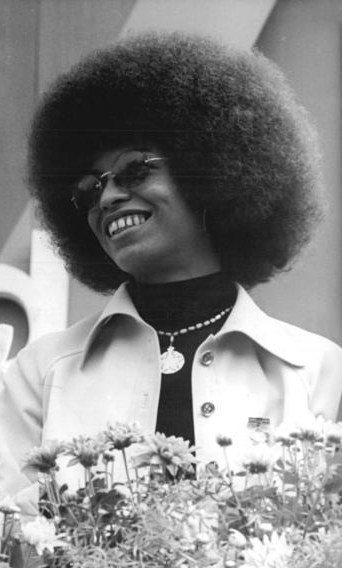
Angela Davis. Bundesarchiv, Bild 183-M0804-0757 / CC-BY-SA 3.0, CC BY-SA 3.0 DE <https://creativecommons.org/licenses/by-sa/3.0/de/deed.en>, via Wikimedia Commons

After Angela Davis was arrested in 1970 under flimsy charges that she was involved in the murder of a judge, the world broke out in protest, demanding her release. All over the world, people held signs and circulated images of Angela Davis, with her iconic hairstyle. Her Afro became synonymous not only with her politics, but became a symbol that united people around the injustice that was done to her.

Rob Mieremet (fotograaf); Dolle Mina’s demonstratie voor Angela Davis bij het Wilhelmina Druckermonument op Churchilllaan
Rob Mieremet (photographer); Dolle Mina’s demonstration for Angela Davis at the Wilhelmina Druckermonument Amsterdam; The Netherlands; January 30th, 1971; reproduction; Nationaal Archief

#2 The afro pick: 'pride in African roots'

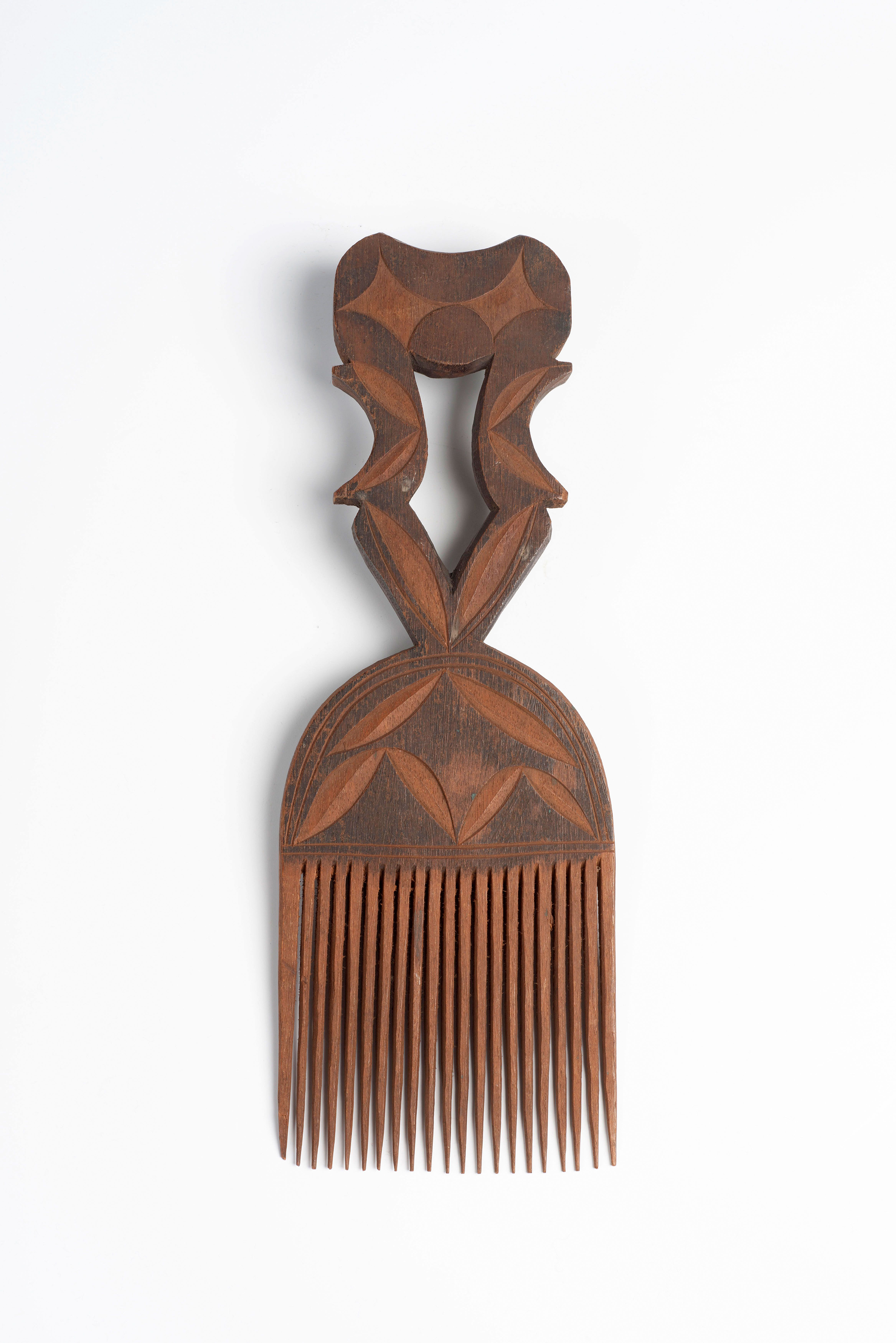
The afro pick makes values and ideals visible. This 19th-century Congolese comb, for example, reflects care for beauty and grooming through its refined craftsmanship and ornamentation. A century later, a similar form carried a different message in the iconic Black Power comb with its raised-fist handle, which signaled pride in African roots and resistance to racial oppression. While the Congolese comb highlights aesthetics and the dignity of personal grooming, the Black Power comb makes an explicit political statement. Yet both objects share an Afrocentric aesthetic that exceeds their practical use, celebrating afro hair as a site of identity, pride, and self-expression.

Afro Pick from Democratic Republic of the Congo. RV-607-13

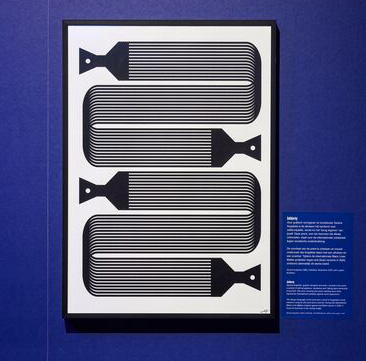
Graphic designer and artist Serana Angelista, considers afro picks a symbol of self-acceptance, resistance, and “taking back ownership” of your own identity. This print, in which four picks meet, represents international solidarity against racist oppression. Its visual language grew out of Angelista’s research using an afro pick and a scanner. During the international Black Lives Matter protests against anti-Black racism in 2020, the work took on its final form as this powerful image.

Serana Angelista (1992); Solidarity; The Netherlands; 2020
Serana Angelista's 'Solidarity' (2020) in the exhibition 'HA!R POWER' (2022)

#3 ISICHOLO FOREVER

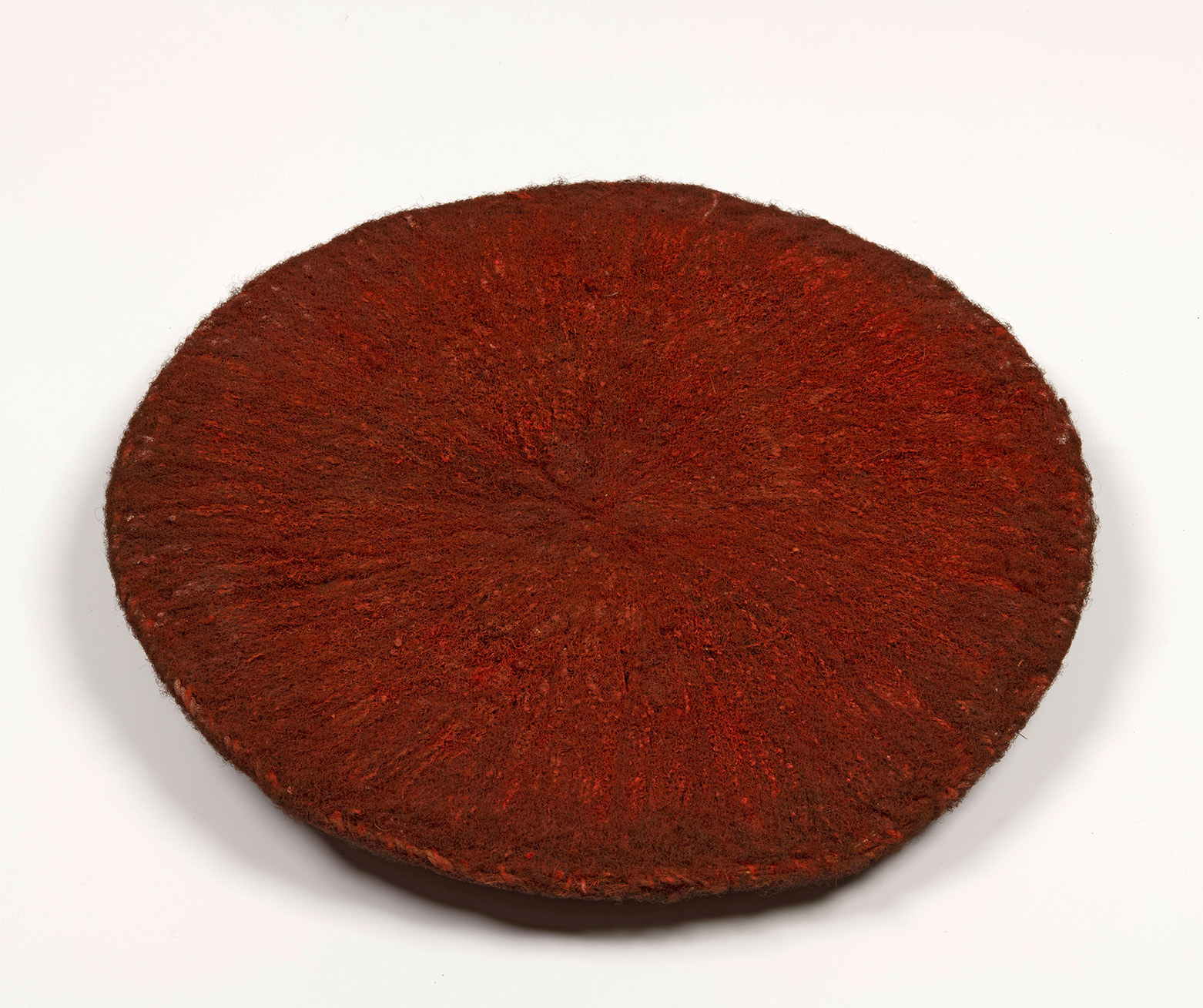
This hat is inspired by the isicholo hairstyle worn by Zulu women, in which the hair is shaped into a flared, round, hat-like form that often signifies maturity and married status. In the nineteenth century, the hairstyle became increasingly elaborate: its shape and height varied, but this also made it heavy and impractical. Still, the style remained associated with beauty and special occasions. As a result, the hairstyle eventually evolved into an actual hat, allowing for more variation in height and shape.

This isicholo is made with human hair, an unknown fibre and dyed with ochre. RV-5647

The isicholo hat has become high fashion made of textile that can be spotted on the runway. It is also part of formal wear, not only in South Africa, but across the African continent. The style and shape of the hat has continued to change over time to reflect different styles. It also has its place in global popular culture. Queen Ramonda (Angela Bassett) wears regal-looking isicholos in the Marvel film Black Panther, and the hat was worn with pride by many during the premieres.

Various African hats and wigs
Please note this video includes violent scenes.

#4 Laetitia Ky: 'gravity-defying art'

Laetitia Ky, an Ivorian artist and entrepreneur, shapes her hair into gravity-defying works of art. Though much of Ky’s art is playful in nature, she addresses her feelings on many social issues through it, like the #MeToo movement, sexual harassment, gun violence, gender equality, body positivity, and stigmas associated with mental illness. 

#5 Oumou Sy: 'queen of the Dakar fashion scene'

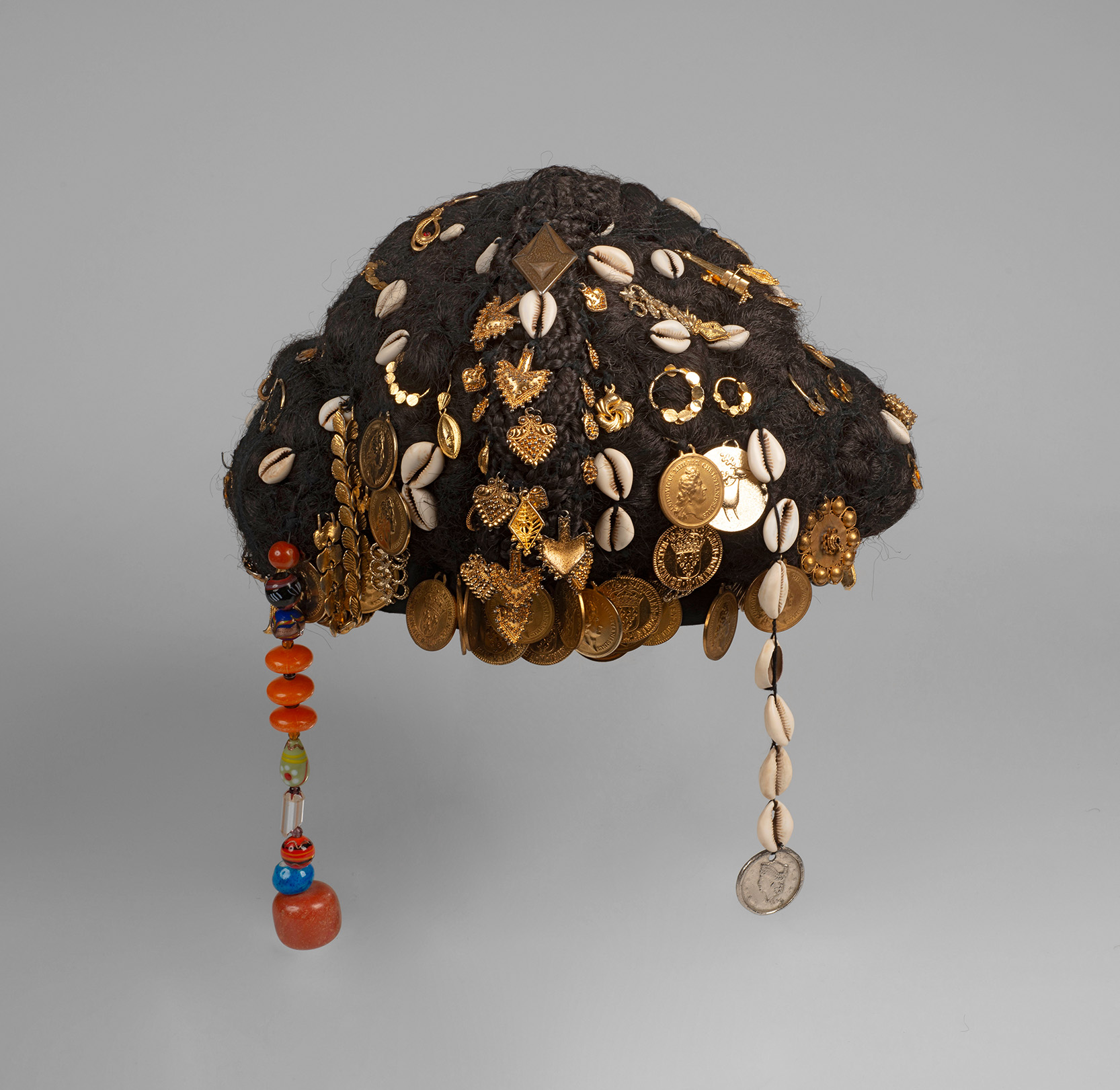
Oumou Sy (1952) is an influential and globally respected Senegalese fashion designer. At the age of thirteen, the fashion icon opened her first studio, marking the start of her successful career. Today, she is still considered the queen of the Dakar fashion scene, with her striking designs for catwalks and films. In her work, she interweaves high fashion, textiles, and costume. She draws on rich Senegalese traditions, which she renews with a contemporary perspective, as in this haute couture wig.

Haute Couture wig by Oumou Sy (1952); Senegal, Dakar; 1995; textile, metal, cowri shells, beads; WM-76700.
Haute Couture wig by Oumou Sy; Senegal, Dakar; 1995; made of textile, metal, cowri shells, beads; WM-76700.

#6 Bob Marley: 'a celebration of peace and love'

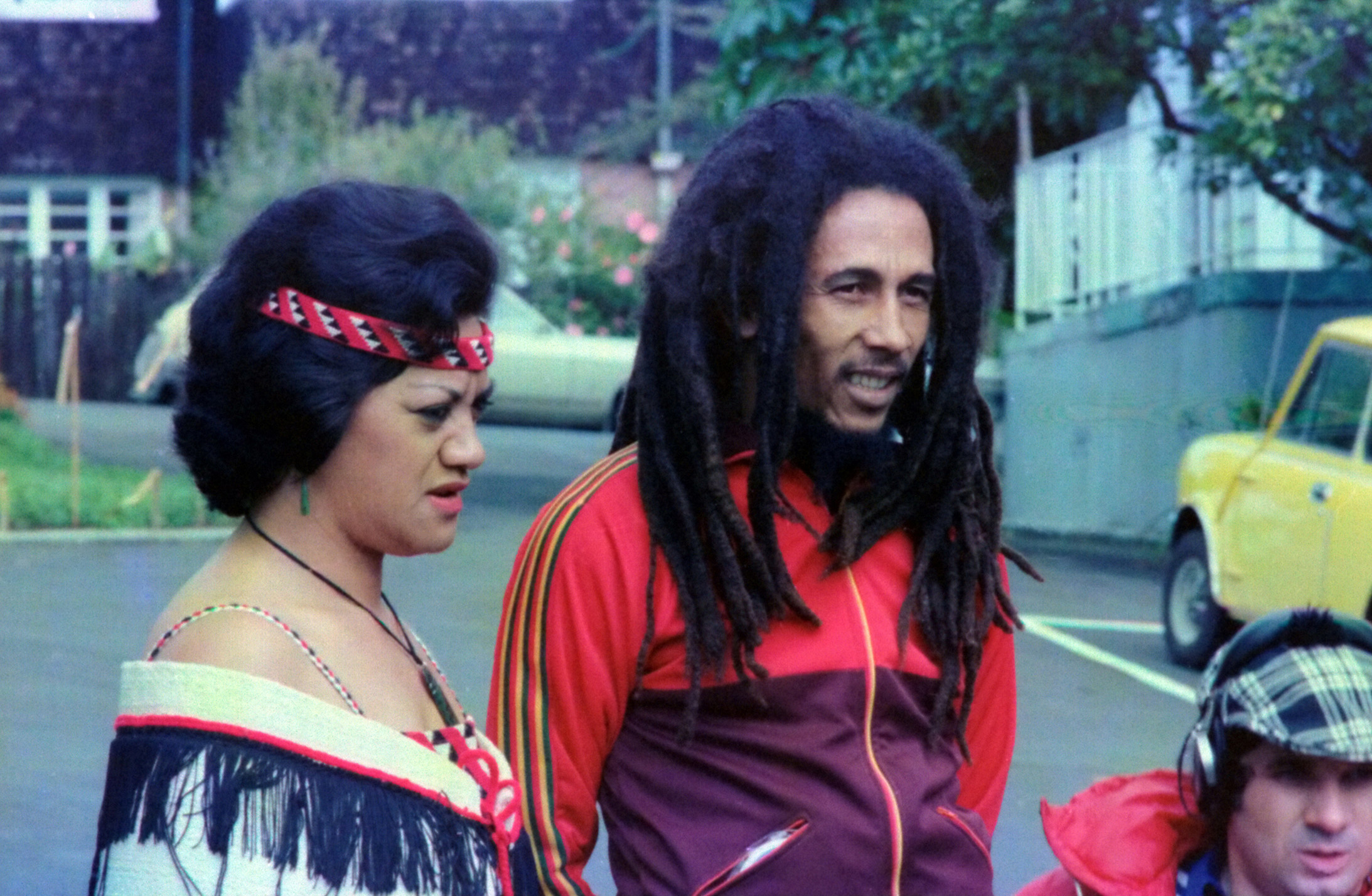
Within different Rastafari sects, locs, also known as dreadlocks, are powerful because they can connect people to God and divine energy. To cut your hair would mean cutting off that connection. Locs have become synonymous with Rastafari, especially because of Bob Marley’s iconic hair.Locs are also linked to Black struggles against white, colonial systems of oppression. Choosing to loc your hair is a rejection of white, European, Colonial beauty standards that are considered artificial and vain. Letting hair grow naturally, without cutting, straightening or styling it is a celebration of Afrocentric ways of styling oneself.

Bob Marley by bill-fairs-fMHdkScVfeY-unsplash_0
Bob Marley

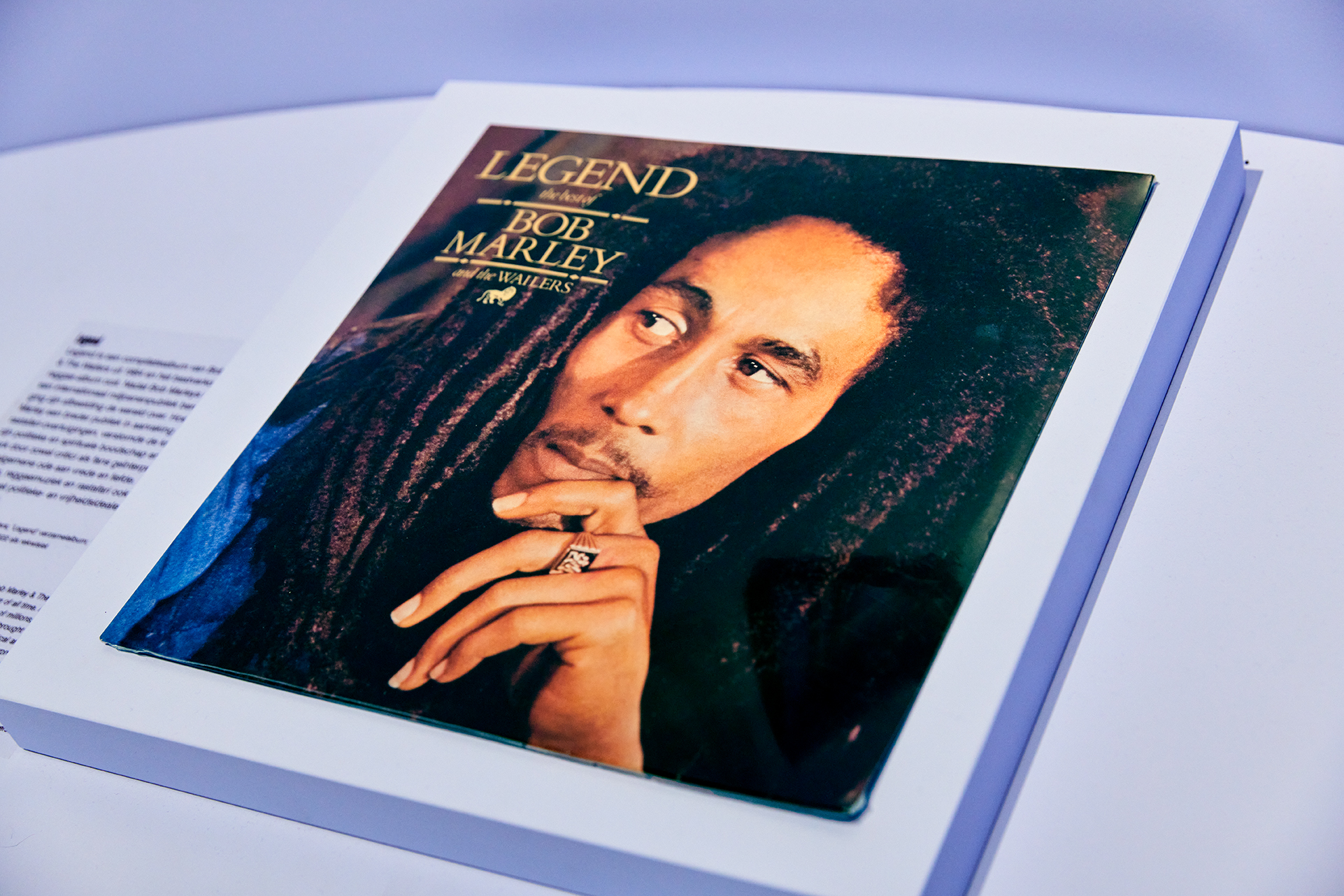
Legend is a compilation album of Bob Marley & The Wailers from 1984. It is the best selling reggae album of all time. As Bob Marley’s music reached an international audience of millions, his image moved across the globe. While Bob Marley brought Rastafari beliefs to a broader audience, the potency of his political and spiritual messages became muted, and his work was interpreted by critics and fans as a general celebration of peace and love. As a result, locs, reggae music, and Rastafari have also become enmeshed in politics and freedom struggles that are beyond the teachings of Rastafari movements. 

Bob Marley & The Wailers; ‘Legend’ compilation album

#7 Big Daddy Kane's iconic fade

Originating in Black male barbershops in America, new versions of the fade were popularised by hip-hop artists like Big Daddy Kane (as seen in the video below). The sides and back of someone’s hair is cut very short with special clippers, the rest of the hair is kept longer. Fades are often referred to as low-top or high-top, referring to the height of the hair on top of someone’s head. The hairstyle became a symbol of the golden era of hip-hop in the late 1980s and early 1990s. It then became a global trend, inspiring many people.

#8 The many hair styles of Dennis Rodman

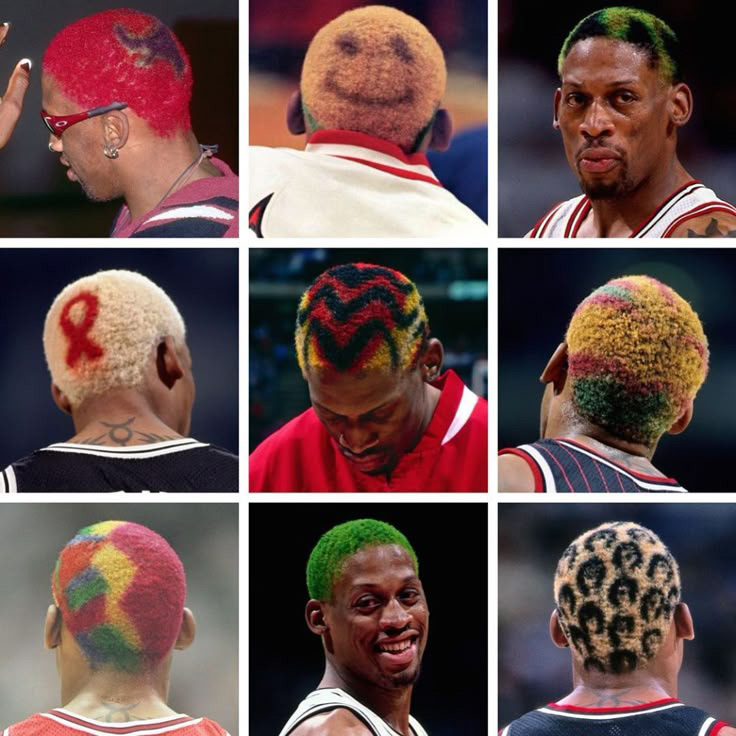
For Dennis Rodman, one of the greatest basketball defenders of all time, hair was an important part of his style and public persona. His unique and always-changing hairstyles were part of how he presented himself as a nonconventional rule breaker, criticising not just comportment, but also notions of gender. Today, the images of Rodman’s multicoloured hairstyles still circulates as a symbol of his rebellious nature.

Dennis Rodman Hairstyles
Dennis Rodman